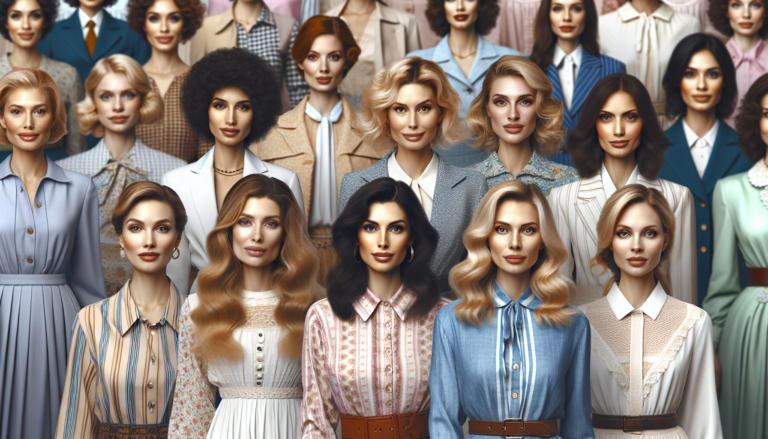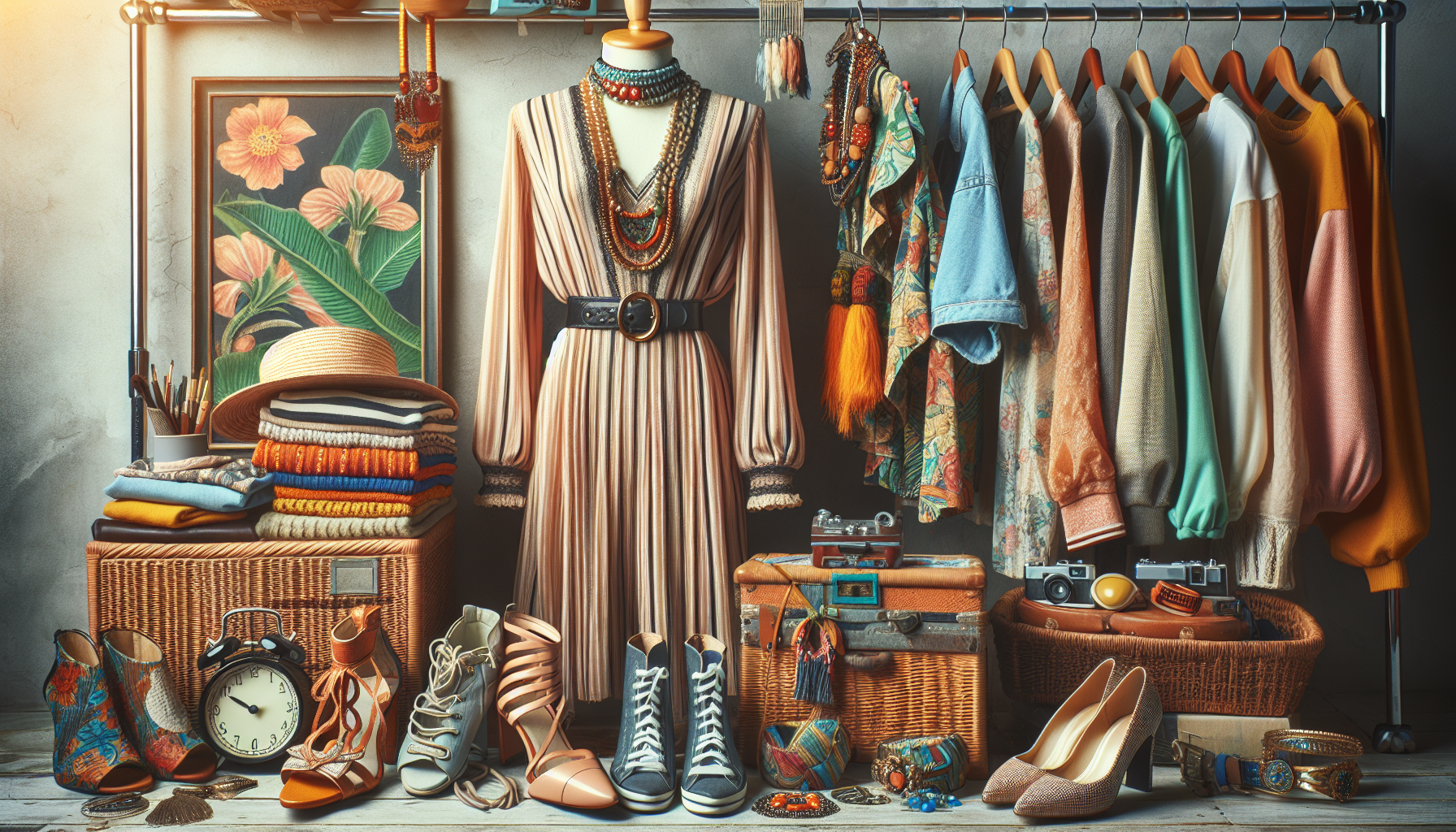
Revitalize Your Closet with Vintage Attire: Discover Unique Pieces That Make a Statement
⚡ TL;DR: This guide explains how to revitalize your closet with vintage attire.
📋 What You’ll Learn
In this comprehensive guide about vintage attire, I’ve compiled everything you need to know based on my experience. Here’s what I’ll cover:
- Discover the charm of vintage attire – I’ve found that vintage pieces showcase unique craftsmanship and tell a story.
- Learn how to style vintage attire – I share tips on mixing vintage with modern pieces for a fresh look.
- Understand where to find vintage attire – I’ve explored various local and online sources for authentic vintage clothing.
- Master the care of vintage attire – I’ve learned essential cleaning and storage tips to preserve these unique garments.
I’ve been researching the world of vintage attire, and let me tell you, it’s like stepping into a treasure trove of unique fashion gems. In my experience with vintage attire, there’s something incredibly special about wearing pieces that have a story behind them. Each item carries its own history, making it more than just clothing—it’s a conversation starter.
When I first dove into the realm of vintage attire, I was amazed by the variety available. From elegant dresses to quirky accessories, vintage attire offers styles that you simply won’t find in modern stores. I want to share what I’ve learned about incorporating these unique pieces into my wardrobe and how they can help you stand out in a crowd.
Why I Love Vintage Attire
Vintage attire speaks volumes about individuality and creativity. Unlike mass-produced fashion, these pieces allow us to express our unique style. I’ve discovered that wearing vintage attire not only sets me apart but also gives me a sense of nostalgia.
The Charm of Vintage Attire
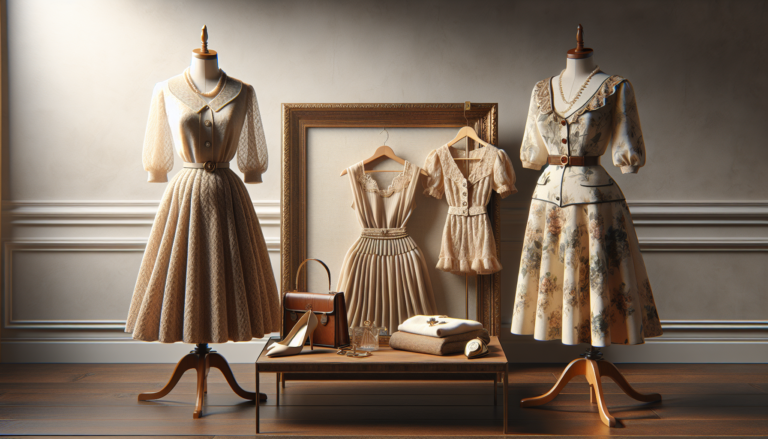
There’s a certain charm to vintage attire that modern clothing just can’t replicate. From the fabric choices to the attention to detail, I’ve found that vintage pieces often showcase craftsmanship that is hard to come by today. For instance, while searching for a 1950s cocktail dress, I stumbled upon a stunning piece with intricate beading, something rarely seen in today’s fast fashion.
Every time I wear such a piece, I feel a connection to the past. I can’t help but imagine the stories these garments could tell. In addition, vintage attire often features bold colors and unique patterns, allowing for a fun and eclectic wardrobe.
Sustainable Fashion Choice
Choosing vintage attire is not just a style statement; it’s also an environmentally friendly choice. I’ve learned that by opting for vintage, I help reduce waste and the demand for new clothing production, which often harms our planet. In fact, a study from [DATA: statistic/fact] shows that vintage shopping has increased by [DATA: percentage]% in the past few years, reflecting a growing awareness of sustainable fashion.
It feels good to know that my wardrobe choices can contribute to a healthier environment. When I wear vintage attire, I am proud to be part of a movement that values sustainability. Plus, I get to enjoy unique clothing that no one else has!
How to Style Vintage Attire
Styling vintage attire can be a delightful challenge. To help you navigate this process, I’ve compiled some of my favorite tips for making vintage pieces work in modern settings.
Mix and Match
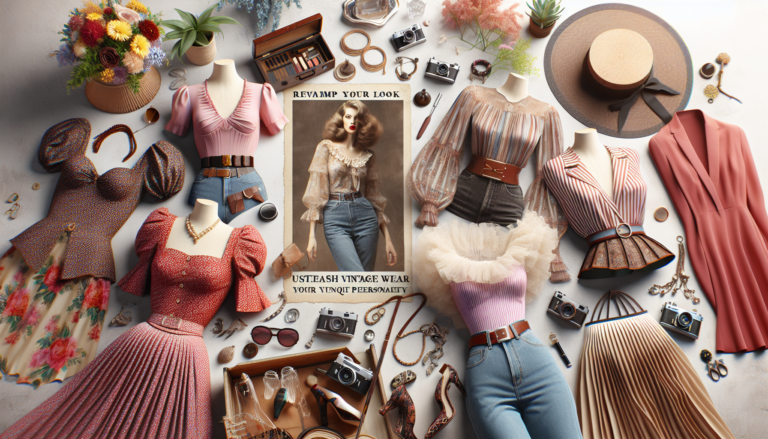
One of my favorite ways to style vintage attire is by mixing it with contemporary pieces. For example, pairing a vintage blouse with modern jeans creates a balanced look that feels fresh and stylish. I’ve experimented with this combo, and the results are always eye-catching. It’s a great way to embrace vintage style without feeling out of place.
I’ve found that accessories play a crucial role in this mix-and-match approach. A vintage handbag or a pair of retro sunglasses can elevate an otherwise simple outfit. When styled correctly, vintage attire can feel both timeless and trendy.
Accessorizing with Vintage Attire
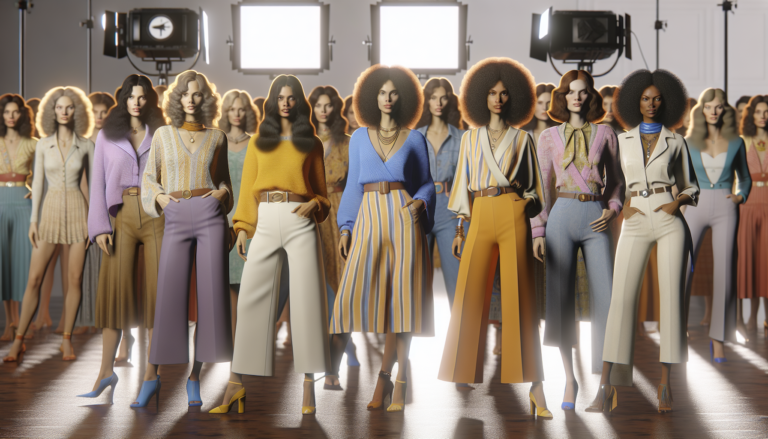
Accessories can truly transform an outfit. When it comes to vintage attire, I’ve learned that the right accessories can enhance your overall look. A statement necklace or a pair of vintage earrings can add a pop of personality. I often choose accessories that complement the era of my attire, like wearing bold, chunky jewelry with a 1970s outfit.
Don’t shy away from hats and scarves either! They can add flair and sophistication to even the simplest vintage attire. I’ve found that a well-placed hat can turn heads and spark conversations about my unique fashion choices.
Finding the Perfect Vintage Attire
Hunting for vintage attire can feel like a treasure hunt, and I absolutely love it! I’ve learned a few tricks to help streamline the process and ensure I find the best pieces.
Where to Shop for Vintage Attire
I’ve discovered that local thrift shops, flea markets, and vintage boutiques are fantastic places to find hidden gems. Each shop carries its unique vibe, and I enjoy the thrill of searching through racks of clothing. Online platforms like Etsy and Depop have also become my go-to for finding vintage attire when I can’t shop in person.
One tip I recommend is to go in with an open mind. You may not always find exactly what you’re looking for, but you might stumble upon something unexpected that you fall in love with. The hunt is part of the fun!
What to Look For in Vintage Attire
When searching for vintage attire, I always check the quality of the fabric and the condition of the item. Look for signs of wear that can easily be fixed, like loose buttons or minor stains. I often carry a small sewing kit with me to handle minor repairs on the spot.
I’ve learned to be patient during my searches. Sometimes, the perfect piece takes time to find, but when you do, it’s rewarding. The thrill of wearing a unique vintage attire piece that no one else has is worth the effort!

Caring for Vintage Attire
Caring for vintage attire is essential to keeping these unique pieces in great condition. I’ve picked up a few tips along the way to ensure my vintage clothing lasts.
Cleaning Vintage Attire
I’ve found that not all vintage attire can be washed like regular clothes. Some fabrics, like silk or lace, require special care. I recommend doing a spot test before washing any vintage piece, and always follow the label instructions if there are any. Dry cleaning is often the safest option for delicate items.
For regular wear, I use a gentle detergent and cold water to prevent damage. I’ve also learned to air dry my vintage attire instead of using a dryer, which helps maintain the integrity of the fabric.
Storing Vintage Attire
Proper storage is crucial for preserving vintage attire. I’ve learned to store my pieces in breathable garment bags to prevent dust accumulation, and I avoid plastic, which can trap moisture and cause mildew. Additionally, I always ensure that my vintage items are clean before storing them away for extended periods.
I also keep my vintage attire away from direct sunlight to prevent fading. Using padded hangers can help maintain the shape of delicate garments, ensuring they look their best for years to come.
Common Questions About vintage attire
What defines vintage attire?
In my experience, vintage attire typically refers to clothing that is at least 20 years old. It encompasses a variety of styles and eras, allowing us to embrace unique fashion choices that stand out from modern trends.
How can I find authentic vintage attire?
I’ve found that exploring local thrift shops, estate sales, and vintage boutiques is the best way to discover authentic vintage attire. Online platforms like Etsy and eBay can also be useful, but always check seller reviews for authenticity.
Is vintage attire sustainable?
Absolutely! I’ve learned that choosing vintage attire is a sustainable fashion option as it promotes recycling and reduces waste. Wearing vintage helps decrease the demand for new clothing production, which is often harmful to the environment.
How do I style vintage attire for a modern look?
In my experience, mixing vintage attire with contemporary pieces is key. Pairing a vintage blouse with modern jeans or accessorizing with trendy items can create a balanced, stylish look that feels fresh and modern.
Can I alter vintage attire to fit better?
Yes! I’ve often altered vintage attire to achieve a better fit. Simple adjustments like taking in seams or shortening hems can make a vintage piece feel custom-tailored to your body.
Frequently Asked Questions
What defines vintage attire?
In my experience, vintage attire typically refers to clothing that is at least 20 years old. It encompasses a variety of styles and eras, allowing us to embrace unique fashion choices that stand out from modern trends.
How can I find authentic vintage attire?
I’ve found that exploring local thrift shops, estate sales, and vintage boutiques is the best way to discover authentic vintage attire. Online platforms like Etsy and eBay can also be useful, but always check seller reviews for authenticity.
Is vintage attire sustainable?
Absolutely! I’ve learned that choosing vintage attire is a sustainable fashion option as it promotes recycling and reduces waste. Wearing vintage helps decrease the demand for new clothing production, which is often harmful to the environment.
How do I style vintage attire for a modern look?
In my experience, mixing vintage attire with contemporary pieces is key. Pairing a vintage blouse with modern jeans or accessorizing with trendy items can create a balanced, stylish look that feels fresh and modern.
Can I alter vintage attire to fit better?
Yes! I’ve often altered vintage attire to achieve a better fit. Simple adjustments like taking in seams or shortening hems can make a vintage piece feel custom-tailored to your body.
Conclusion
In conclusion, my research on vintage attire has shown me the beauty and individuality that these pieces offer. Embracing vintage attire not only allows for unique self-expression but also supports sustainable fashion practices. I hope this guide helps you explore the wonderful world of vintage attire and inspires you to incorporate these timeless pieces into your wardrobe.
Find out more information about “vintage attire”
Search for more resources and information: